Why IV NAD+ Can Feel Uncomfortable — And Why Ozone MAH or IV Quercetin May Help


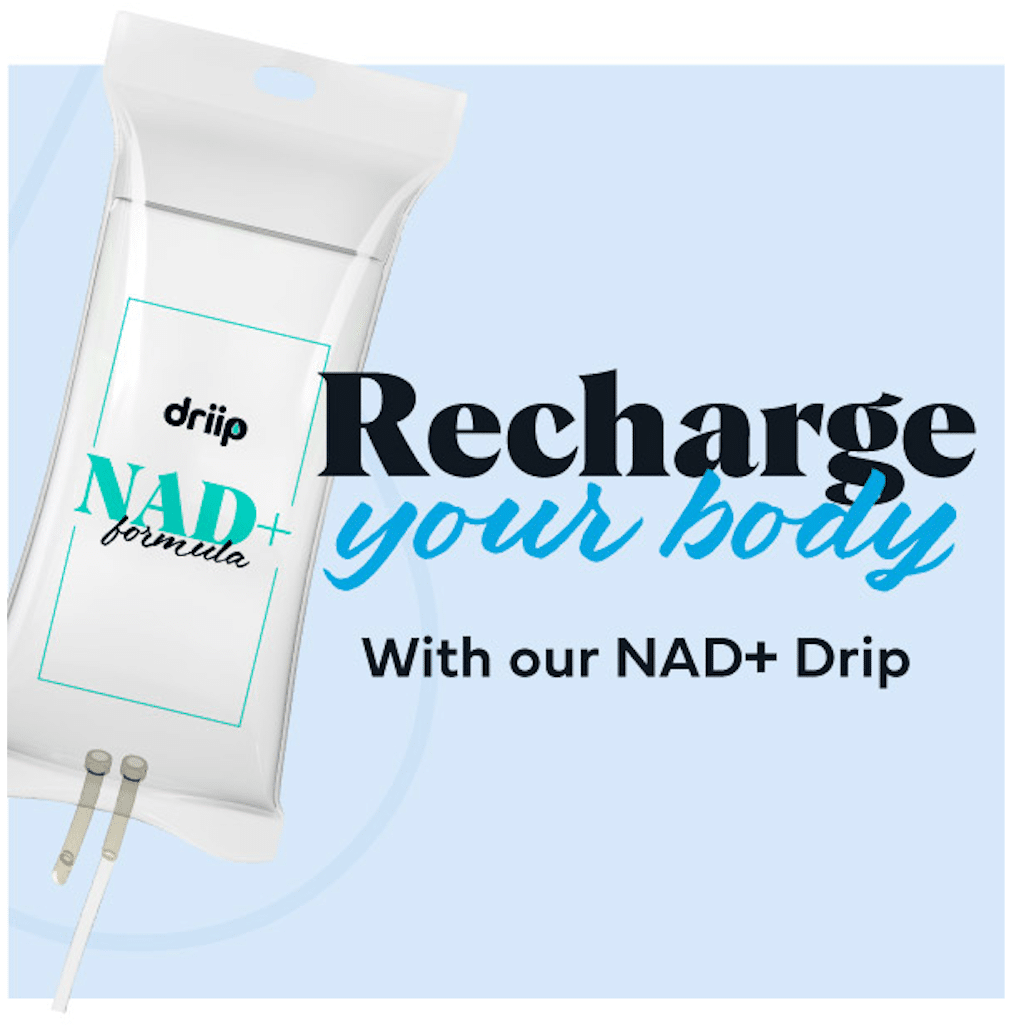
Intravenous NAD+ therapy has become one of the most talked-about tools in functional and regenerative medicine. People seek it out for energy, mental clarity, recovery, longevity support, addiction recovery, and mitochondrial optimization. But there’s one thing almost everyone notices during their first infusion:
It can be surprisingly uncomfortable.
Patients commonly describe chest tightness, abdominal cramping, flushing, anxiety, nausea, head pressure, or a strange “heavy” sensation during the drip. Some tolerate it easily, while others need the infusion slowed dramatically.
So why does this happen?
And why do some clinics report that patients tolerate NAD+ much better after therapies like Major Autohemotherapy (MAH) ozone or IV quercetin beforehand?
Let’s break down the physiology.
Why IV NAD+ Feels Intense
NAD+ (nicotinamide adenine dinucleotide) is one of the most important molecules in human metabolism. It plays a central role in:
- Mitochondrial energy production
- Cellular repair
- DNA maintenance
- Sirtuin activation
- Oxidative stress regulation
- Neurotransmitter synthesis
The challenge is that IV NAD+ rapidly changes cellular metabolism in real time.
Unlike vitamins that are slowly absorbed orally, IV NAD+ bypasses digestion and enters circulation immediately. This creates a sudden metabolic shift that many people physically feel.
1. Rapid Cellular Signaling
NAD+ participates in redox reactions — the transfer of electrons within cells. When infused intravenously, it may accelerate mitochondrial activity and alter ATP production dynamics quickly.
Some researchers believe the discomfort comes from acute changes in autonomic nervous system signaling and cellular energy flux. This can create symptoms such as:
- Chest pressure
- Flushing
- Warmth
- Anxiety-like sensations
- Muscle tightness
- Cramping
The faster the drip, the more intense these symptoms often become.
2. Transient Oxidative Stress
Ironically, therapies that ultimately improve mitochondrial resilience can temporarily increase reactive oxygen species (ROS) during the adaptation phase.
NAD+ stimulates metabolic pathways that increase electron transport chain activity. If mitochondria are already dysfunctional or “backed up,” this sudden increase in activity may transiently elevate oxidative stress.
That oxidative shift may contribute to:
- Headaches
- Nausea
- Fatigue during infusion
- Body discomfort
- Neuro-excitatory symptoms
This is one reason why people with chronic illness, burnout, mold exposure, or inflammation sometimes tolerate NAD+ more poorly initially.
3. Autonomic Nervous System Activation
Many patients describe NAD+ as creating a “fight-or-flight” sensation when pushed too fast.
NAD+ influences:
- Catecholamine metabolism
- Neurotransmitter balance
- Calcium signaling
- Vagal tone
- Sympathetic nervous system activity
In sensitive individuals, especially those with dysautonomia or chronic stress physiology, rapid infusion can overstimulate the autonomic nervous system.
This is why slowing the drip often immediately relieves symptoms.
Why IV Ozone MAH May Improve NAD+ Tolerance
Major Autohemotherapy (MAH) involves removing a small amount of blood, exposing it to a medical oxygen-ozone mixture, and reinfusing it.
Ozone works primarily through controlled oxidative signaling — essentially creating a small, therapeutic oxidative challenge that stimulates the body’s antioxidant defenses. By preconditioning the antioxidant system, the body may become more capable of handling the metabolic demands of NAD+ infusion.
Because NAD+ rapidly shifts mitochondrial metabolism, patients with poor antioxidant reserve may experience stronger discomfort.
MAH ozone may:
- Improve oxygen utilization
- Enhance mitochondrial signaling
- Reduce inflammatory cytokines
- Improve blood rheology and microcirculation
- Increase antioxidant enzyme activity
This may explain why some patients report:
- Less chest tightness
- Reduced nausea
- Better energy during infusion
- Improved tolerance to faster NAD+ drip rates
Importantly, this is still an emerging clinical observation rather than a universally proven protocol.
Why IV Quercetin May Also Help – Quercetin as a Mast Cell and Oxidative Stress Modulator
Quercetin is a flavonoid found naturally in foods like onions, apples, and capers. Intravenously, it reaches concentrations much higher than oral dosing.
Quercetin is known for several mechanisms that may theoretically improve NAD+ tolerance:
1. Mast Cell Stabilization
Some NAD+ symptoms resemble histamine-mediated reactions:
- Flushing
- Tightness
- Nausea
- Tachycardia
- Anxiety sensations
Quercetin is a natural mast cell stabilizer and may reduce histamine release and inflammatory signaling during infusion.
2. Antioxidant Support
Quercetin can help neutralize reactive oxygen species and support glutathione recycling.
Because NAD+ increases metabolic demand, quercetin may buffer oxidative stress during the infusion process.
3. Mitochondrial Protection
Research suggests quercetin may:
- Improve mitochondrial biogenesis
- Reduce lipid peroxidation
- Support ATP production efficiency
- Modulate inflammatory pathways
This could help sensitive patients tolerate metabolic shifts more comfortably.
The Clinical Pattern Many Practitioners Observe
A common pattern has emerged:
Patients who struggle with NAD+ often improve tolerance when:
- The drip is slowed
- Electrolytes are optimized
- Hydration is improved
- Antioxidant therapies are added first
- Ozone MAH is performed beforehand
- IV quercetin is administered prior to NAD+
The theory is not that these therapies “block” NAD+, but rather that they improve metabolic flexibility and redox resilience before the infusion challenge occurs.
NAD+ therapy is powerful precisely because it interacts so directly with cellular metabolism. The discomfort many patients experience is likely a reflection of rapid mitochondrial, autonomic, and redox shifts occurring in real time.
Therapies like Ozone/MAH and IV quercetin may help prepare the body by:
- Improving antioxidant defenses
- Stabilizing inflammatory responses
- Supporting mitochondrial adaptability
- Enhancing redox balance
For sensitive patients, that preparation can make the difference between an overwhelming infusion and a smooth, energizing experience.
As regenerative medicine evolves, understanding how to optimize NAD+ tolerance may become just as important as the infusion itself!
If you have questions about NAD+ or to see if your a candidate text or call 612-516-3772 today!
FAQs
What are the origins of IV therapy:
Research is clear that when you address underlying nutrition deficiencies, your body heals. Dr. Myers, creator of IV nutrient therapy and the Myers Cocktail, theorizes that all chronic disease starts with nutritional deficiency. Here is research from Pubmed regarding IV nutrient therapy and improvement of chronic symptoms: https://pubmed.ncbi.nlm.nih.gov/12410623/.
What is the cost of IV therapy:
Pricing for an IV Driip ranges from $130 – $395 depending on your needs and goals. See our full line of products and prices here.
What frequency do you recommend:
Frequency is dependent upon your current level of health, how long you have been experiencing symptoms, and your health goals – everyone is different.
It is typically best to repeat a given IV therapy once a week for six weeks. Then, re-assess if your body is ready to move to maintenance care (one time a month), or if a more frequent schedule would be beneficial.
Text or call 612-516-3772 today so see what driip is right for you!