EBOO vs. EBO2: Understanding the Key Differences in Blood Processing and Ozone Delivery


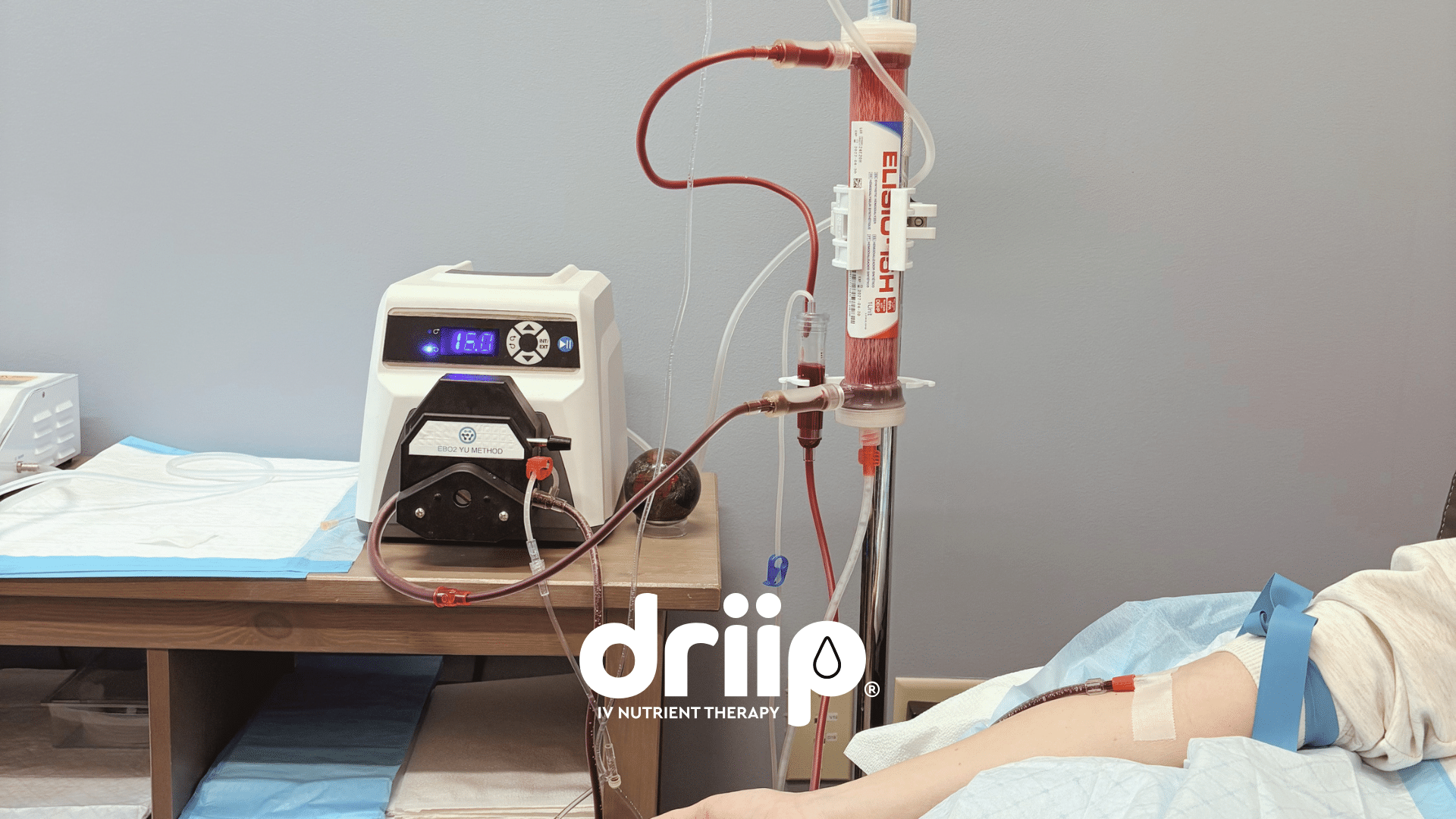
The world of advanced ozone therapies continues to evolve, with two treatments generating increasing attention in the wellness and integrative medicine space: EBOO (Extracorporeal Blood Oxygenation and Ozonation) and EBO2.
While the names sound similar, the technologies and treatment intensity can be very different. One of the biggest talking points among clinics offering these therapies is the idea that it may take approximately three traditional EBOO sessions to equal the blood-processing capacity and ozone exposure of a single EBO2 session.
In this article, we’ll break down the differences between EBOO and EBO2 in a simple, educational way, especially focusing on:
- Blood volume processed
- Ozone concentration and delivery
- Treatment efficiency
- Why EBO2 is often considered a more advanced evolution of EBOO
What Is EBOO?
EBOO stands for Extracorporeal Blood Oxygenation and Ozonation. During treatment, blood is continuously removed from the body, passed through a filtration and oxygenation system, exposed to ozone, and then returned to the bloodstream.
EBOO is often described as a high-volume form of ozone therapy because it treats significantly more blood than traditional ozone IV therapies like Major Autohemotherapy (MAH).
Typical EBOO sessions may:
- Process approximately 1–3 liters of blood
- Use ozone concentrations around 2.5–7 gamma
- Last between 45–90 minutes
- Include filtration to remove inflammatory debris and waste products
Many practitioners view EBOO as an upgrade from standard ozone IV therapy because it combines:
- Ozone delivery
- Oxygenation
- Blood filtration
- Continuous circulation
What Is EBO2?
EBO2 is considered by many clinics to be the next-generation evolution of EBOO.
While both therapies circulate blood outside the body and expose it to ozone, EBO2 systems often incorporate:
- Higher blood-processing capacity
- Higher therapeutic ozone concentrations
- Extended light therapy exposure
- Multi-spectrum photobiomodulation
- More advanced filtration technology
A typical EBO2 session may:
- Process approximately 4–6 liters of blood
- Use ozone concentrations around 15–26 gamma
- Include advanced ultraviolet and infrared light exposure
- Deliver significantly more ozone over the course of one treatment
Because of the larger blood volume and stronger ozone exposure, many practitioners believe EBO2 can accomplish substantially more in a single session.
The Biggest Difference: Blood Volume Processed
One of the easiest ways to understand the difference between EBOO and EBO2 is by looking at the amount of blood treated.
EBOO Blood Processing
Most EBOO systems process approximately:
- 1–3 liters of blood per treatment
Since the average adult has roughly 5 liters of blood total, this means EBOO may treat only a portion of the bloodstream during one session.
EBO2 Blood Processing
EBO2 systems may process approximately:
- 4–6 liters of blood per treatment
This means an EBO2 session can potentially circulate and treat nearly the entire blood volume of the body in a single treatment.
Some clinics suggest that multiple EBOO sessions may be required to achieve blood-processing volumes comparable to a single EBO2 session, although direct comparative clinical studies are currently limited.
This comparison comes from two major factors:
- Total blood volume processed
- Amount of ozone delivered
If a traditional EBOO session processes around 1–2 liters of blood while EBO2 processes 4–6 liters, then multiple EBOO sessions may be needed to match the same overall treatment exposure.
In practical terms:
| Therapy | Approximate Blood Processed |
| 1 EBOO Session | 1–3 liters |
| 1 EBO2 Session | 4–6 liters |
This is why some practitioners explain that:
“It may take roughly three EBOO sessions to equal the overall blood-processing capacity of one EBO2 session.” Of course, protocols vary by clinic, machine, practitioner, and patient needs.
Ozone Delivery: Low Dose vs. Therapeutic Dose
Another major difference is the concentration of ozone used during treatment.
EBOO Ozone Levels
Traditional EBOO systems commonly operate in the range of:
- 2.5–7 gamma
While still therapeutic, this is generally considered a lower ozone exposure.
EBO2 Ozone Levels
EBO2 systems are often designed to deliver:
- 15–26 gamma
This falls within what many ozone practitioners consider the broader therapeutic range.
The result is:
- More ozone exposure
- More oxidative signaling
- Greater oxygenation potential
- Increased treatment intensity
In simple terms, EBO2 not only processes more blood — it also exposes that blood to significantly more ozone during the session.
Light Therapy: An Additional Layer in EBO2
One of the signature features of EBO2 is the integration of advanced light therapy.
Some EBO2 systems expose blood to multiple wavelengths of light, including:
- UVA
- UVC
- Red light
- Green light
- Violet light
- Infrared light
This process is sometimes referred to as:
- Photobiomodulation
- UV blood irradiation
- Hemealumen therapy
Traditional EBOO systems may include limited or basic light exposure, while EBO2 systems are often designed for significantly longer and more comprehensive light treatment.
Filtration and Detoxification
Both EBOO and EBO2 include blood filtration, which is one reason they are often compared to dialysis-like systems.
However, EBO2 has the more advanced filtration and larger blood-processing volume may help remove:
- Inflammatory proteins
- Cellular waste
- Oxidative debris
- Environmental toxins
- Biofilm byproducts
- Heavy metal residues
Some practitioners also note that EBO2 systems may visibly collect foam or inflammatory material during treatment!
Which Therapy Is More Efficient?
Efficiency is where EBO2 tends to stand out.
Because EBO2:
- Processes more blood
- Delivers more ozone
- Includes advanced light therapy
- Treats a larger percentage of the bloodstream
…it is often viewed as a more comprehensive therapy in a single session.
Some practitioners consider EBO2 more comprehensive because it combines higher blood-processing volumes, ozone exposure, filtration, and photobiomodulation in a single treatment.
Again, this does not mean EBOO is ineffective. EBOO remains a powerful therapy that many patients and practitioners continue to use successfully.
However, EBO2 is increasingly being positioned as the next evolution in extracorporeal ozone therapy.
Both EBOO and EBO2 are advanced ozone-based blood therapies designed to improve oxygenation, circulation, and systemic wellness.
But when comparing the two side by side, EBO2 generally offers:
- Higher blood-processing volume
- Greater ozone exposure
- More advanced light therapy
- More comprehensive filtration
- Increased treatment efficiency
This is why many practitioners explain that:
One EBO2 session may provide a treatment intensity comparable to approximately three traditional EBOO sessions.
As with any medical or wellness therapy, patients should consult with qualified healthcare professionals to determine which treatment is appropriate for their specific health goals and medical history.
-This article is for educational purposes only and is not intended as medical advice. Research on ozone-based therapies is still evolving-
If you’re wondering in EBO2 is right for you, text or call 612-516-3772 today!
FAQs:
What are the origins of IV therapy:
Research is clear that when you address underlying nutrition deficiencies, your body heals. Dr. Myers, creator of IV nutrient therapy and the Myers Cocktail, theorizes that all chronic disease starts with nutritional deficiency. Here is research from Pubmed regarding IV nutrient therapy and improvement of chronic symptoms: https://pubmed.ncbi.nlm.nih.gov/12410623/.
What is the cost of IV therapy:
Pricing for an IV Driip ranges from $130 – $395 depending on your needs and goals. See our full line of products and prices here.
What frequency do you reccomend:
Frequency is dependent upon your current level of health, how long you have been experiencing symptoms, and your health goals – everyone is different.
It is typically best to repeat a given IV therapy once a week for six weeks. Then, re-assess if your body is ready to move to maintenance care (one time a month), or if a more frequent schedule would be beneficial.