
Ozone/MAH Therapy: A Novel Approach to Wellness


Ozone/MAH
The pursuit of optimal health and wellness has driven humankind to explore diverse medical treatments and therapies over the centuries. One such intriguing modality gaining attention is Intravenous Ozone/Major Autohemotherapy (MAH) therapy. In recent years, this innovative approach has been heralded as a promising alternative treatment for various health conditions.
Understanding Intravenous Ozone/MAH Therapy
Intravenous Ozone/MAH therapy is a medical technique that involves infusing ozone gas into a patient’s bloodstream through intravenous administration. Ozone, a naturally occurring gas composed of three oxygen molecules (O3), has potent oxidative properties. The controlled application of ozone in this therapy aims to harness its beneficial effects while minimizing any negative consequences.
The Process of Intravenous Ozone/MAH Therapy
The procedure begins with the withdrawal of a small amount of the patient’s blood. This blood is then mixed with medical-grade ozone, which activates a series of chemical reactions. These reactions yield various biologically active substances, such as peroxides and ozonides, which have positive effects on the body.
The ozonated blood is then reintroduced into the patient’s bloodstream through the same intravenous needle. This process allows the ozone to spread throughout the body, impacting various tissues and systems.
Mechanisms of Action
Ozone/MAH therapy suggests several mechanisms of action that contribute to its beneficial effects:
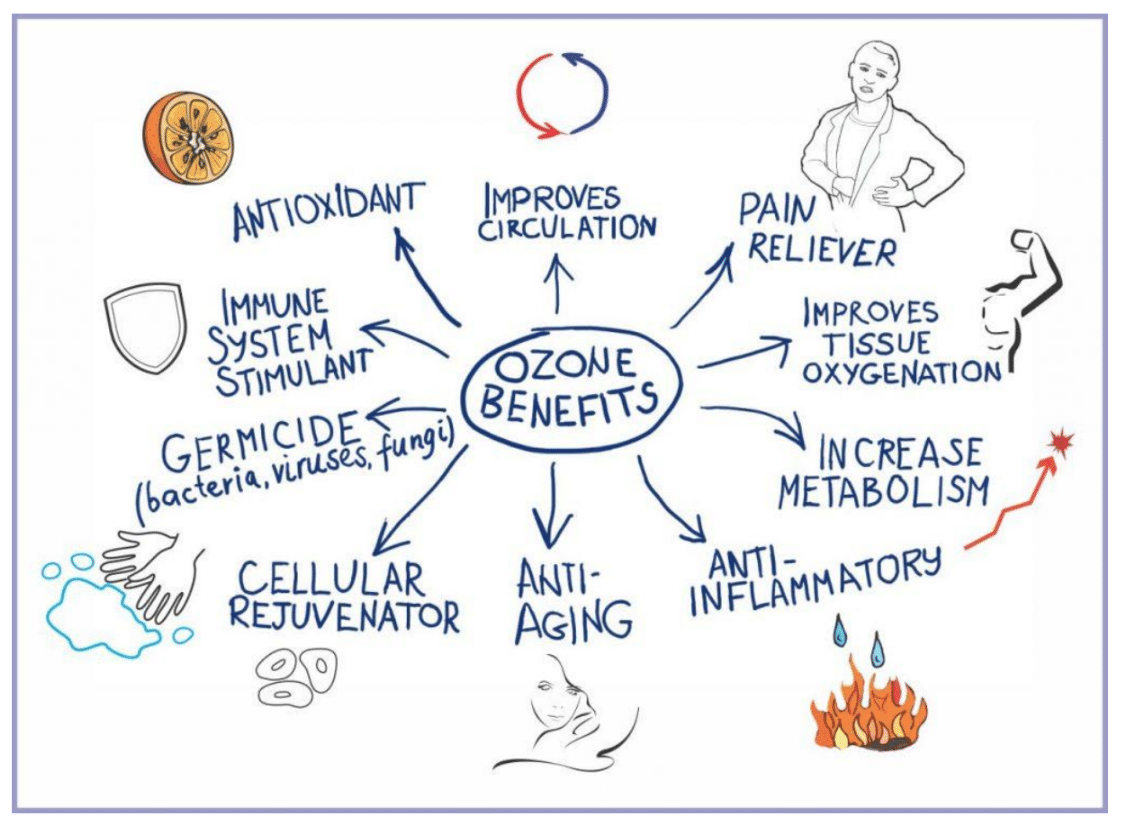
- Oxygenation and Immune Stimulation: Ozone therapy increases oxygen delivery to cells and tissues, enhancing cellular metabolism and overall energy production. Additionally, ozone exposure stimulates the immune system, potentially aiding the body’s defense against infections and chronic diseases.
- Oxidative Stress Regulation: Despite its reputation as a harmful free radical, ozone administered in controlled doses may trigger the body’s antioxidant defense mechanisms, leading to improved oxidative stress regulation.
- Modulation of Inflammation: Ozone influences cytokine production and reduces inflammatory markers, which is extremely beneficial for inflammatory conditions.
- Improved Blood Circulation: Ozone therapy enhances blood flow and vasodilation, which supports cardiovascular health.
Benefits and Conditions
Intravenous Ozone/MAH therapy has been explored as a treatment for a range of conditions, Some of the conditions where Ozone/MAH therapy has been studied or used include:
-
- Chronic Fatigue Syndrome: Ozone therapy’s potential to enhance cellular metabolism and oxygenation have led to its investigation into managing chronic fatigue and promoting overall vitality.
- Chronic Infections: Ozone’s immune-stimulating properties have made it an option for addressing chronic infections, such as viral and bacterial diseases.
- Autoimmune Disorders: Some practitioners have explored the use of ozone therapy to modulate immune responses in certain autoimmune conditions and have seen a significant positive benefit
- Pain Management: Ozone therapy has been investigated for its potential analgesic effects in conditions like arthritis and musculoskeletal pain.


Intravenous Ozone/MAH therapy presents a fascinating approach to wellness, leveraging the benefits of ozone gas to improve various health conditions. It is extremely powerful in managing inflammation, immune regulation, autoimmune conditions, and microcirculation.