
Nutrient Highlight: The Power Of Glutathione



What is Glutathione?
Glutathione is a powerful antioxidant that plays a crucial role in maintaining overall health and well-being. It is endogenous meaning that your body naturally produces it on its own. However, unavoidable factors can deplete your glutathione levels. Are you at risk for low glutathione levels?
Where can we get Glutathione?
Glutathione is even found in a variety of foods, particularly those that are rich in certain amino acids, vitamins, and minerals that support its synthesis. While the body primarily synthesizes glutathione on its own, consuming foods that provide the necessary precursors can help support its production. Here are some food sources that contain glutathione or its building blocks:
- Fruits and Vegetables: Fresh fruits and vegetables are excellent sources of glutathione precursors such as cysteine and other beneficial compounds. Some examples include avocado, asparagus, broccoli, spinach, Brussels sprouts, garlic, onions, and tomatoes.
- Cruciferous Vegetables: Vegetables from the cruciferous family, including broccoli, cauliflower, kale, and cabbage, are particularly rich in sulfur-containing compounds that support glutathione production.
- Citrus Fruits: Citrus fruits like oranges, lemons, and grapefruits contain vitamin C, which is important for glutathione synthesis. Vitamin C acts as an antioxidant and helps regenerate glutathione in the body.
- Legumes: Legumes such as lentils, chickpeas, and beans provide a good source of amino acids, including cysteine, which is a key component of glutathione.
- Meat and Poultry: Animal-based protein sources, such as lean meat, poultry, and fish, contain cysteine and other amino acids needed for glutathione synthesis.
- Milk Thistle: Milk thistle is an herb that contains a compound called silymarin, which has been shown to support glutathione production and liver health.
- Whey Protein: Whey protein, derived from milk, is a rich source of cysteine and other amino acids that can support glutathione synthesis.
Although these foods contain precursors to support glutathione synthesis, it’s worth mentioning that the body’s ability to absorb dietary glutathione is limited, and the majority of glutathione is synthesized within the cells. A healthy diet is the backbone of healthy living but even then, it’s impossible to tell how much dietary changes are impacting the levels of glutathione in your body. That’s where we come in!
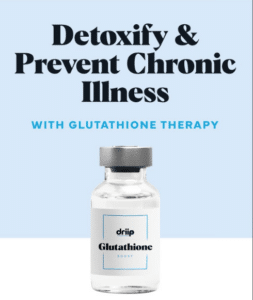
Intravenous (IV) glutathione administration has gained popularity as a method to rapidly increase glutathione levels in the body. With oral glutathione there is no guarantee that you are absorbing the dose that you are taking, IV infusion removes the middle man providing 100% absorption of the infused dose and in turn, providing extremely powerful and noticeable benefits.
Why do I need to take Glutathione?
It’s important to note that while glutathione is naturally produced in the body, various factors can deplete your level.
- aging
- chronic illness
- poor diet
- environmental toxins
- chronic stress
- pollution
- medications
- trauma
- infections
- radiation
One way to think about Glutathione is that it acts like fly paper and all the bad things in the body stick onto it, including free radicals and toxins like mercury and other heavy metals. It’s good to have around because the higher the level of glutathione means less toxicity in the body. Less toxicity means less pain and inflammation!
Glutathione has been shown to help with numerous ailments and even chronic illnesses.
Key Benefits Associated with Glutathione
- Enhanced Antioxidant Activity: IV administration of glutathione can quickly elevate the levels of this antioxidant in the body. This can help combat oxidative stress and neutralize free radicals more effectively than oral supplementation, as IV administration delivers glutathione directly into the bloodstream.
- Detoxification Support: IV glutathione can aid in the detoxification process by supporting the liver’s ability to remove toxins and heavy metals from the body. It can enhance the liver’s enzymatic act
 ivity, promoting efficient detoxification and protecting against cellular damage caused by toxic substances.
 - Immune System Support: IV glutathione can strengthen the immune system by boosting the activity of immune cells. This can enhance the body’s ability to fight infections, viruses, and other pathogens. By supporting a healthy immune response, IV glutathione may also benefit individuals with immune-related conditions.
- Energy and Recovery: Glutathione plays a role in cellular energy production, and IV administration can help optimize energy levels. By improving cellular function and ATP production, IV glutathione may enhance stamina, reduce fatigue, and promote faster recovery after physical exertion or illness.
- Neurological Support: Glutathione is essential for brain health and protection against neurodegenerative diseases. IV glutathione can cross the blood-brain barrier more efficiently than oral supplementation, potentially providing greater neuroprotective benefits. It may help reduce oxidative stress, and inflammation, and support healthy cognitive function.
 ivity, promoting efficient detoxification and protecting against cellular damage caused by toxic substances.
How can I get IV Glutathione?
Glutathione is very difficult to absorb orally and oftentimes not worth spending the money on because you can’t measure how much you’re actually absorbing. IVs make nutrients 100% bioavailable so it is absorbed directly into your bloodstream at levels you can feel! At our clinic, we have two ways you can get IV glutathione. We offer boosts or pushes. Boosts can be added to any of our lifestyle bags or you can just get straight glutathione in a push!
The glutathione boosts are $20 each and we offer two different doses of glutathione pushes. The 1g Push is $110 and the 2g Push is $205
Text or Call (612) 516-3772
hello@driipiv.com